






























































Your cart is empty
Shop our productsSwimming pools are not used only for swimming, but also serve many facilities such as recreation, exercise, and family gatherings. The most common issue for swimming pool owners is maintaining the water temperature throughout the year. Maybe gas or electric heaters can be used, but for a whole year, this is not a good option. They will add billing costs.
For this purpose, the best choice is a solar pool heater. They maintain the temperature of the water throughout the year at very cost-effective rates and in an environmentally friendly manner. This guide explains how solar pool heaters work, their benefits, limitations, and key considerations.
The Science of Solar Pool Heating
In this section, the science behind solar pool heating and how the system operates and maintains the temperature of the water are described.
-
How solar radiation is absorbed and transferred to pool water
The basic concept behind the working of solar pool heating is to capture the heat from sunlight and transfer it to the pool water. On the roofs or grounds, where the best sunlight reaches, the solar collectors (special panels) are installed, and the water first absorbs the heat from these collectors and then returns to the pool.
-
Typical temperature increases are possible with solar systems
The solar collectors absorb the heat of sunlight and transfer it to the water, which further returns to the pool. This process can increase 10-25°F. It mainly depends on the system and how much the temperature of the water will rise.
-
Integration with existing pool pumps and filters
Solar pool heating systems are versatile and can be installed within existing pool pumps and filters. There is no need to install a new plumbing system for solar pool heaters. This feature makes it more practical.
Essential Components of a Solar Pool Heating System

Let us discuss the core components of a solar pool heater. This section is helpful to understand which part is used for a specific function.
Solar Collectors
Solar collectors are the main components of a solar pool heater. They are designed with a series of small tubes or channels, which makes it easy for the water to flow. Durable plastic or rubber resistant to UV damage is used to make this part.
These solar collectors come in two common types, i.e., glazed and unglazed. The unglazed solar collectors are cost-effective, common, and work best in warm climates. These connectors don't have any protective cover.
The glazed solar collectors come with a protective layer of glass or clear plastic, which traps heat better. These solar collectors are highly effective in cold regions where the sunlight is weaker.
Circulation Pump
The circulation pump performs two functions:
-
Ensures a steady flow of water through collectors
-
Works alongside the existing pool pump
Mostly, the existing pool pump is enough to push the water through the solar collectors. But in the case of large units, an external auxiliary motor may be required.
Filters
The filters are the main parts of a solar pool heater because they keep the swimming pool water clean from debris, trash, etc. These filters keep debris from entering and clogging collectors, ensuring the long lifespan of the system.
Control Units and Valves
Some of the solar pool heaters are equipped with automatic sensors and valves. The sensors keep checking the temperature of the collectors and the water. If the conditions are favorable, the valves open and water passes through the collectors; otherwise, the water bypasses the collectors. This automatic feature enhances the efficiency and lifespan of solar collectors.
Step-by-Step Heating Process
Let's read the heating process easily and concisely in this section.
Water is drawn from the pool to the system by a pump and filtered. The filter process makes sure the debris doesn't enter the collectors and clog or damage them.
Water is then diverted to the collectors, where it absorbs heat while passing through the channels.
That heated water then returns to the swimming pool and increases the overall temperature of the pool water.
This cycle remains continuous as long as the pump is running. The following factors affect the efficiency of a solar pool heater.
-
Collector area: Larger collector surfaces capture more sunlight.
-
Flow rate: Good water flow, high efficiency in heat transfer.
-
Orientation: The more sunlight at the position, the higher the efficiency.
-
Weather: Clear, sunny days provide the best performance
Types of Solar Pool Heaters
There are three types of solar pool heaters available in the market. These types are briefly discussed in this section.
Unglazed Systems
Unglazed solar heater pools are made without any protective layer, so they are cost-effective. They are made of heavy-duty plastic or rubber. Less effective in cold climates; may need bypass or drain in winter. They offer the following main advantages:
-
Affordable and effective for mild climates.
-
Common for above-ground pools and seasonal use.
Glazed Systems
Glazed systems are more expensive than unglazed systems because these systems come with a glass coating or insulation, or sometimes with copper. The coatings can trap more heat than unglazed, which is why they are more efficient even in cold regions. It is best suited for those homeowners who live in regions where the summers are short.
Hybrid Systems
For those areas where the sunlight is lacking or are rainy, these hybrid systems are more suitable. These systems combine solar with gas or electric heaters. In cloudy or rainy seasons, the electric or gas heaters provide backup to solar pool heaters. Both solar + gas/electric systems ensure higher efficiency throughout the year.
|
Type |
Unglazed |
Glazed |
Hybrid (Solar + Gas) |
|
Best for |
Warm climates |
Cold climates |
Year-round use |
|
Cost |
$3,000–$5,000 |
$5,000–$8,000 |
$6,000–$10,000 |
|
Efficiency in Winter |
Low |
Moderate |
High (with backup) |
|
Lifespan |
10–15 years |
15–20 years |
15–20 years |
Installation and Setup Considerations
Proper installations enhance the efficiency of solar pool heaters. Let's explore some important considerations related to installation and setup.
-
Roof vs. ground mounting options
The system can be installed on the ground or the roof. It is versatile, as mentioned earlier. But for higher efficiency, rooftop installations are better. Secondly, they maximize the space.
-
Ideal orientation for maximum sun exposure.
The system should be installed in such a way that the collectors face true south if in the northern hemisphere or true north if in the southern hemisphere to capture maximum sunlight.
-
Sizing systems based on pool surface area.
In general, the collectors' area should be 50-100% of the pool size. For larger pools or in cooler climates, it may require more coverage.
-
Professional installation vs. DIY approaches.
The following table gives a brief comparison of professional and DIY approaches.
|
Professional Installation |
DIY Installation |
|
Ensures correct sizing, secure mounting, and compliance with local permits or building codes. |
Suitable for small, above-ground pools; homeowners may opt for it as a cost-saving approach. |
|
Provides warranty or service support for long-term reliability. |
No professional warranty; performance depends on the homeowner's skill and maintenance. |
-
Permits and integration with solar-powered pumps.
Solar panels can be integrated into this system. These solar panels will help to power the circulation pump and reduce the dependency on grid electricity, so ultimately reduce the billing charges.
Benefits and Drawbacks
Now it's time to discuss the benefits and the drawbacks of the solar pool heaters. This comparison is helpful to decide whether the system should be installed or not.
Advantages
Solar pool heaters maintain the temperature of the swimming pool water. Other advantages are discussed in this section.
-
Low ongoing costs and high energy savings
Once this system is installed, it uses only sunlight, not normal grid station electricity. So, the charges of electricity are reduced in this way. These systems result in high energy savings.
-
Eco-friendly and sustainable option
The solar pool heater only uses sunlight, which means no usage of fossil fuels, so no greenhouse gas emissions. That is why these systems are eco-friendly and sustainable options.
-
Long system lifespan and property value benefits
The solar pool heater's systems require minimal maintenance and can be used for up to 15-20 years. Secondly, the solar pool heater system increases the value of the property because of its energy-efficient features.
Limitations
Although the solar pool heater has many advantages, it has some limitations as well, such as:
-
High upfront costs
The upfront costs, such as installation, are higher for solar collectors. A typical solar pool heater can cost $4,000–$7,000. That's the reason not every home is equipped with this system.
-
Performance depends on the weather and location
The performance of a solar pool heater is completely dependent on sunlight. During the bad weather conditions, such as in the rain, the efficiency is poor.
-
Slower heating compared to gas systems
Since the solar pool heater works on the sunlight absorption principle, its heating process is slow because the heat of sunlight doesn't remain consistent every time.
Efficiency and Maintenance
Efficiency and maintenance are closely linked. Proper maintenance increases the efficiency of a system as well as its lifespan. Let's discuss them in this section.
-
Understanding efficiency ratings (Btu/ft²/day).
The performance of any solar pool heater is measured in Btu per square foot per day. The higher ratings mean higher efficiency in sunlight capturing.
-
Impact of orientation, climate, and collector design.
The efficiency of a solar pool heater does not solely depend on the maintenance. The factors, such as orientation, climate, and collector design, have a significant impact on efficiency.
-
Cleaning, seasonal care, and winterizing practices.
-
Clean collectors regularly: dust, leaves, or bird droppings reduce heat absorption.
-
Check filters: a clean filter ensures smooth water flow and prevents clogging.
-
Seasonal care: in colder climates, drain and winterize systems to avoid freezing damage.
-
Monitor controls: inspect sensors and valves periodically for proper operation.
-
Long lifespan—with routine maintenance, systems can last up to 20 years, offering excellent returns.
-
-
Longevity and warranty considerations
-
Solar pool heaters typically last 15–20 years with proper care.
-
Warranties vary by manufacturer, often covering parts and sometimes labor.
-
Regular maintenance and correct installation are essential to keep warranties valid.
Recommended BLUETTI Products
A system performs even better when the supporting tools are of good quality. BLUETTI is known for its top-quality products, which support solar systems for better efficiency.
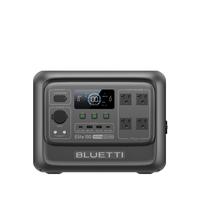
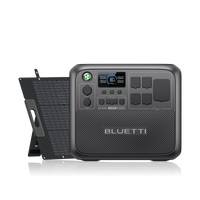
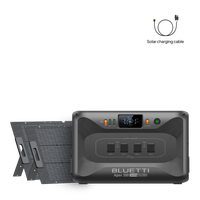
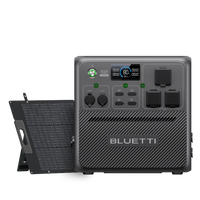
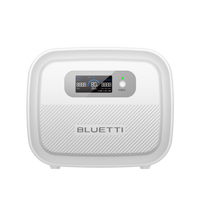
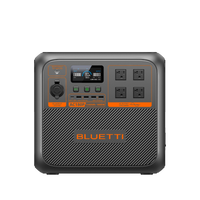
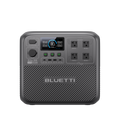
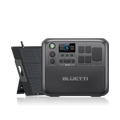
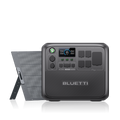
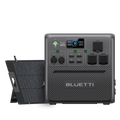
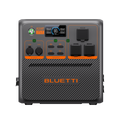
BLUETTI Elite 200 V2 Portable Power Station

An ideal support system for a solar pool heater because of a large LiFePO₄ battery and high input. These features make it highly dependable off-grid power to keep pumps and controls running smoothly. The important specs are given below in the table.
|
Specification |
Details |
|
Capacity |
2,073.6 Wh |
|
Continuous AC Output |
2,600 W |
|
Peak / "Hercules" Load Capacity |
3,900 W |
|
Battery Chemistry & Cycle Life |
LiFePO₄, 6,000+ cycles to 80% |
|
Weight & Dimensions |
53.4 lb (≈ 24.2 kg); 13.78 × 9.84 × 12.74 in (35 × 25 × 32.36 cm) |
|
Operating Temperature Range |
-20 °C to 40 °C (-4 °F to 104 °F) |
|
Warranty |
5 years |
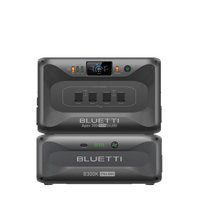
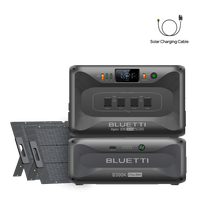
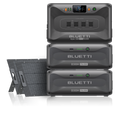
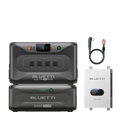
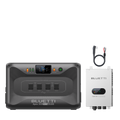
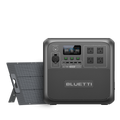
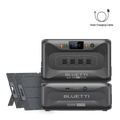
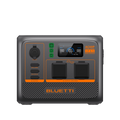
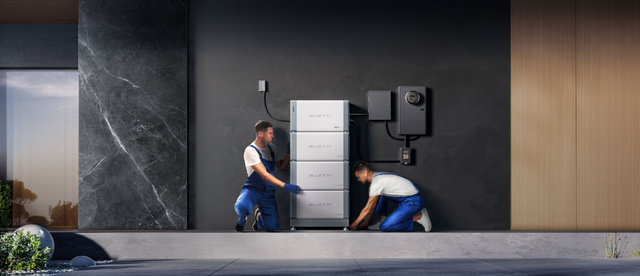
BLUETTI Apex 300 Home Backup Power

Made for reliable home backup power, an excellent support system for solar pool heaters. Due to advanced features, such as fast charging, swappable batteries, and high efficiency, it provides seamless, smooth heating systems running even in cloudy weather and outages.
|
Specification |
Details |
|
Capacity |
2,764.8 Wh |
|
Output Power |
3,840 W |
|
Hot-Swappable Design |
Batteries/modules can be swapped without shutting down (zero downtime) |
|
Battery Chemistry & Cycle Life |
LiFePO₄, 6,000+ cycles to 80% capacity (up to 17-year lifespan) |
|
Solar Charging |
Up to 2,400 W max |
|
AC + Solar Dual Charging |
Up to 3,840 W |
|
TurboBoost AC Charging |
80% in 45 min, 100% in 65 min |
|
Efficiency |
Ultra-low self-consumption (~1/5 of competitors) |
Conclusion
Solar pool heaters are an essential system to maintain the temperature of the swimming pool water throughout the year. These heaters convert sunlight into heat and then transfer it to the water. This cycle continues until the heater is turned off. Due to its dependence on sunlight, it offers many advantages, such as reduced electricity charges and greenhouse gas emissions. It also has some limitations, including the orientation and weather conditions. If proper installation and maintenance are done, the system can serve for more than two decades.
Shop products from this article
Be the First to Know
You May Also Like
Arizona RV Parks Guide: Best State & Private Campgrounds

Arizona RV Parks Guide: Best State & Private Campgrounds
30/03/2026
How a Sump Pump Battery Backup Saves Your Basement From Storm: The Complete Guide
How a Sump Pump Battery Backup Saves Your Basement From Storm: The Complete Guide
28/03/2026
How to Keep Medical Refrigeration Running During Extended Power Outages

How to Keep Medical Refrigeration Running During Extended Power Outages
25/03/2026
Table of Article


