






































































Your cart is empty
Shop our productsIf you just lost power—or you’re watching a storm roll in—you probably have one question: How long does food last in a fridge without power?
It’s a stressful situation, especially if you just finished a $300 grocery haul or have a toddler at home who needs fresh milk. You want to save as much as you can without risking your family’s health. Here is the straightforward timeline and the practical rules you need to follow to navigate an outage safely.
The 4-Hour Rule: Why is it the critical threshold?
When your refrigerator loses electricity, it stops actively cooling, but it doesn't instantly become room temperature. However, once the power cuts, the clock starts.
An unopened refrigerator will keep food safe for about 4 hours.
This guideline is established by the FDA and USDA because once food rises above 40°F, bacteria that cause foodborne illnesses begin to multiply rapidly. More than 250 diseases can be caused by bacteria found in contaminated food. If the power is out for more than 4 hours and you haven't moved your food to a cold source (like a cooler with ice), you’ve reached the "danger zone"(40°F–140°F) for most perishables.
CRITICAL SAFETY THRESHOLD: The 4-hour window applies only if the refrigerator doors stay closed. If the internal temperature rises above 40°F, you have a maximum of 2 hours to consume or move perishable items before they must be discarded. Every "peek" to check the food releases cold air and shortens this life-saving timeline.

Refrigerator vs. Freezer: Why is the timeline different?
Your freezer is a much better insulator than the fridge compartment. Think of your freezer as a giant block of ice; the more mass it has, the longer it stays cold.
-
A full freezer stays safe for about 48 hours if left shut.
-
A half-full freezer only has about 24 hours of safe time.
At-A-Glance: Safe Storage Time Limits (Unopened)
|
Appliance Type |
Safe Time Limit |
|
Refrigerator |
4 Hours |
|
Full Freezer |
48 Hours |
|
Half-Full Freezer |
24 Hours |
Maintaining the Cold Chain
Freezers are significantly more resilient due to thermal mass—the ability of frozen objects to retain cold—and superior insulation. To maximize this resilience, implement these specialist strategies:
The Pre-Chill Strategy
If a storm is forecasted, turn your refrigerator and freezer to their coldest settings. Lowering the temperature to the low 30s in the fridge and below 0°F in the freezer provides a larger "thermal buffer" before the unit enters the Danger Zone.
Fill the Gaps
Air warms quickly; frozen solids do not. Fill empty freezer space with plastic jugs of water. Once frozen, they act as giant ice packs, extending the 48-hour window. During an outage, these can be moved to the fridge to act as a temporary cooling source.
Safety-First Grouping
Group items together to reduce the surface area exposed to air. Crucial: Always group raw meat and poultry at the bottom of the freezer. This ensures that if thawing begins, juices will not drip and cross-contaminate other items.
Stretching the Clock with Dry Ice
If an outage looks like it will last days, dry ice is an option. Just 25 pounds can keep a 10-cubic-foot freezer cold for up to four days(results vary by conditions). Safety Warning: Always wear gloves to prevent skin burns, and never place dry ice directly on glass shelves, as the extreme temperature can cause the glass to shatter. Place the ice on a piece of foam or heavy cardboard.
What stays and what goes? A quick decision guide.
Not everything in your fridge is equally fragile. When power returns after the 4-hour mark (or your thermometer reads above 40°F), you must evaluate every item. Never "taste-test" food. Bacteria like Salmonella or E. coli do not always change the smell or appearance of the product.
For parents, remember that children are more susceptible to foodborne illness; when in doubt, prioritize their safety over the grocery bill. When in doubt, throw it out!
What you MUST throw out (after the 4-hour mark)
If these items have been above 40°F for more than two hours, it’s time to say goodbye:
-
Meat, Poultry, and Seafood: Raw or cooked, plus deli meats.
-
Dairy: Milk, cream, sour cream, yogurt, and soft cheeses (Brie, Mozzarella, Ricotta, or Queso Fresco). Note: Unopened milk is slightly more resilient, but if its internal temperature exceeds 40°F, it is a high-risk item for toddlers.
-
Eggs: Fresh eggs or egg-containing dishes like quiche.
-
Leftovers: Any cooked meals, casseroles, or soups.
-
Cut Produce: Pre-cut fruits and vegetables.
-
Medication: Refrigerated medications like insulin may only stay stable for 2–3 hours in a closed, unpowered fridge before needing a cooler.

What is usually SAFE to keep
These items are more resilient to temperature changes:
-
Hard, Low-Moisture Cheeses: Unopened or well-wrapped Cheddar, Parmesan, and Swiss.
-
Butter and Margarine.
-
Whole Fruits and Veggies: Uncut fruits and vegetables (apples, citrus, carrots, celery).
-
High-Acid Staples: Ketchup, mustard, pickles, olives, jelly, honey, and nut butters.
-
Shelf-Stable Liquids: Small cans of V8 juice, unopened juice packets, and shelf-stable (aseptic) milk.
Can you stretch the clock? Factors that change the countdown.
The 4-hour rule is a baseline, but several factors can speed up or slow down spoilage:
-
Door Openings: Every time you swing open the door, cold air pours out. Avoid the "idiot stare"—open the door only once a day to grab what you need.
-
Ambient Temperature: If it’s 100°F in your kitchen during a summer blackout, your fridge will warm up much faster than during a winter outage. In winter, you may consider "outside storage," but be wary of sunlight. Even in 30°F weather, direct sunlight can heat a dark container into the Danger Zone. Use a shaded garage or a trunk rather than a patio to protect against both sun and pests.
-
Fridge Fullness: A packed fridge holds its temperature longer than an empty one because the cold food acts as a thermal mass.

No-Cook Meal Strategies for Extended Outages
To avoid opening the fridge, keep these shelf-stable items on hand. Ensure you have a manual can opener, as electric models will be useless.
-
Shelf-Stable Staples: Stock "aseptic boxes" of milk (the kind found in the dry grocery aisle) and "Mini-Moos" (shelf-stable half-and-half) for coffee.
-
Apple and White Bean Salad: Toss a can of drained white beans with olive oil, lemon juice, dried thyme, and chunks of fresh apple.
-
Chunky Gazpacho: Combine canned diced tomatoes (with juice) with chopped onion, cucumber, a dash of Tabasco, and olive oil.
-
The Trifecta Breakfast: Spread nut butter and jam on whole-wheat tortillas. Top with dried fruit and seeds for long-lasting satiety.
How to stop the countdown: The BLUETTI FridgePower solution
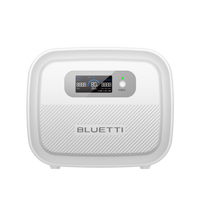
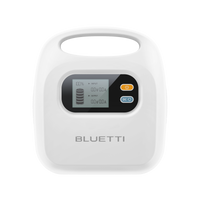
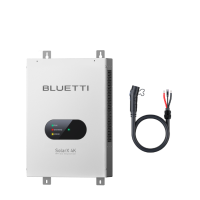
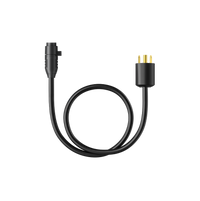
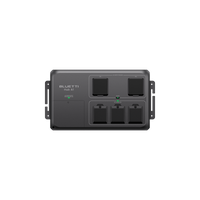
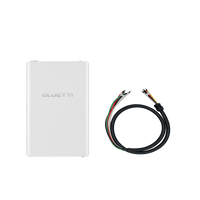
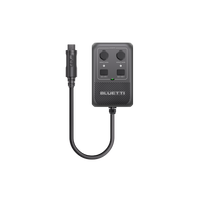
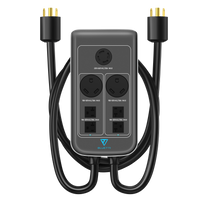
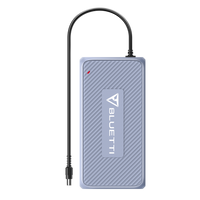
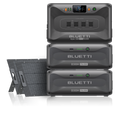
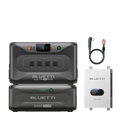
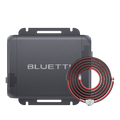
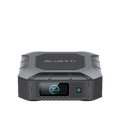
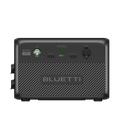
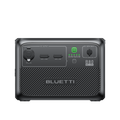
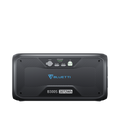
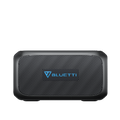
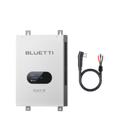
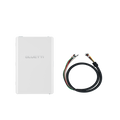
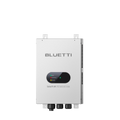
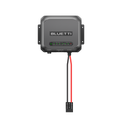
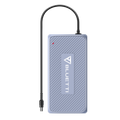
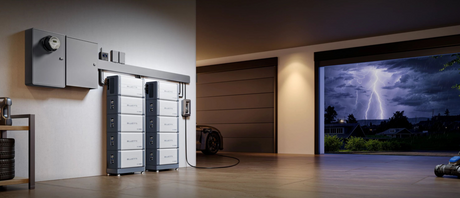
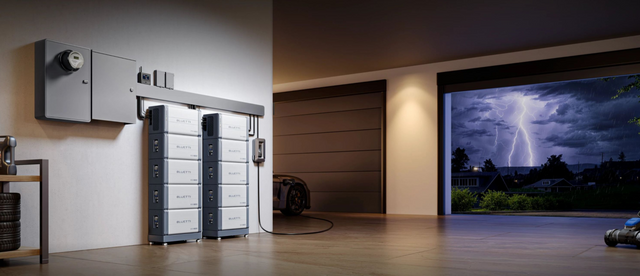
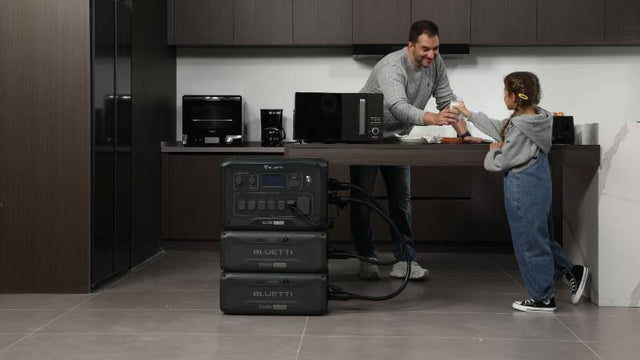
The absolute best way to handle a power outage is to ensure the countdown never starts. While traditional gas generators are noisy and require outdoor setup, the BLUETTI FridgePower BlueCell 200 is an apartment-friendly, indoor-safe backup designed specifically for your kitchen.
Featuring a 10ms Auto UPS switchover, FridgePower takes over the second power flickers out, so your cooling never skips a beat.
Why FridgePower BlueCell 200 is the ultimate fridge backup:
-
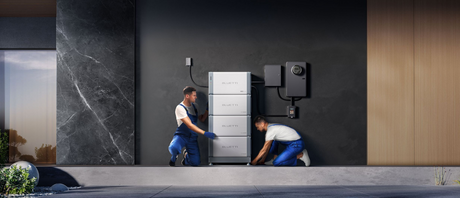
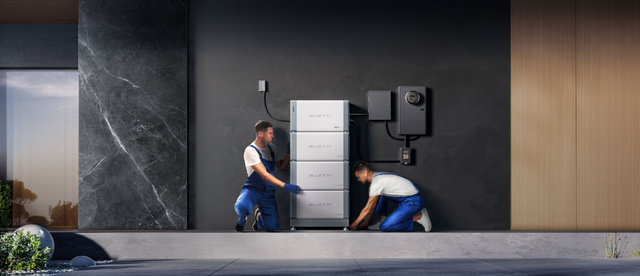
Ultra-Slim Design: Designed to fit seamlessly into modern kitchens, at just 75mm thick, it fits easily behind or on top of your fridge without professional installation, providing a dedicated power source without the need for dangerous indoor generators or long extension cords.
-
Long-Lasting Backup: With a 2kWh capacity, it can run a typical fridge for a full day, and it's expandable up to 8kWh—providing up to 4 days of food security.
-
Smart Protection: Use the BLUETTI app to get Extreme Weather Alerts that automatically prepare your system for incoming outages.
-
Quiet and Safe: It runs at less than 30dB (as quiet as a library), making it perfect for homes with children. Unlike gas generators, the FridgePower produces no carbon monoxide and operates silently in your kitchen.
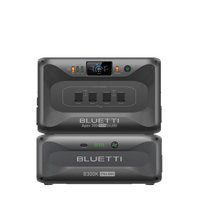
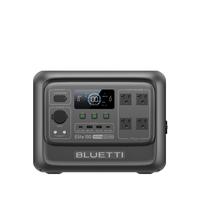
For those with larger homes, models like the Apex 300 or Elite 400 can power your entire kitchen and medical equipment simultaneously.
Quick-Reference Checklist: Before you open that door

Before the Outage
-
Appliance Thermometers: Place them in the fridge and freezer so you can read them immediately upon opening the door.
-
The Quarter Trick: Freeze a cup of water solid, then place a quarter on top. If you return and the coin is at the bottom, the freezer thawed completely and refroze, meaning the food is unsafe.
-
Pre-Freeze Water: Keep flat-lying bags of ice or jugs of water in the freezer to fill gaps.
During and After the Outage
If you are currently in the dark, follow these steps immediately:
-
Note the time: Write down exactly when the power went out.
-
Locate Your Manual Can Opener: If you are forced to rely on shelf-stable canned goods, an electric opener won't help. Keep a manual one in your emergency kit.
-
Tape the Door: If you have children, tape the fridge shut to prevent habitual "look-and-see" openings.
-
Don't taste-test: You cannot smell or taste the bacteria that cause food poisoning.
-
Use a thermometer: If your appliance thermometer reads above 40°F when power returns, evaluate your perishables carefully.
-
Check for ice crystals: If food in the freezer still contains ice crystals, it is safe to refreeze or cook.
-
Sanitize the Surfaces: If food has leaked or spoiled, follow the CDC 4-Step Process:
-
Wash with hot, soapy water.
-
Rinse with clean water.
-
Sanitize with a solution of 1 cup unscented household bleach in 5 gallons of water.
-
Air Dry.
-
Check Support: Contact your homeowners insurance for food spoilage coverage. If you receive SNAP benefits, you may qualify for replacement funds following a disaster.
-
Plan ahead: Invest in a BLUETTI FridgePower now so that next time the lights go out, your only concern is finding a flashlight—not replacing a week’s worth of meat and milk.
Conclusion: Practical Readiness
When it comes to food safety, the golden rule remains: "When in doubt, throw it out." While losing a grocery haul is frustrating, the cost of a medical emergency is far higher. Interestingly, many homeowners' and renters' insurance policies—and sometimes even utility companies—provide reimbursement for food spoilage. Check your policy today to see if you can recoup the cost of a lost restock.
However, the best strategy is proactive. By investing in a backup power solution like the BLUETTI FridgePower BlueCell 200 today, your only concern during the next storm will be finding a flashlight—not replacing $300 worth of groceries or worrying about your family's next meal. Secure your kitchen's resilience now for total peace of mind.
Shop products from this article
Be the First to Know
You May Also Like
How to Power a Refrigerator Automatically When the Grid Goes Down


How to Power a Refrigerator Automatically When the Grid Goes Down
09/04/2026
How to Set Up Backup Power for Your Refrigerator During a Storm


How to Set Up Backup Power for Your Refrigerator During a Storm
03/04/2026
How Long Do Power Outages Last After a Tornado Strikes?


How Long Do Power Outages Last After a Tornado Strikes?
28/03/2026
Table of Article


