
Who is the cheapest energy supplier in the us(by state)?

Finding affordable electricity can be challenging because energy rates vary widely across the United States. In this article, we compare residential electricity prices by state, highlight the states with the highest and lowest rates, and explore energy suppliers available in competitive electricity markets. We also look at key factors that affect electricity costs, including location, energy demand, market conditions, and utility providers. Whether you are comparing electricity rates or exploring alternative suppliers, this guide can help you better understand your options and make a more informed energy decision.
Electric rates can fluctuate depending on a variety of factors, including where a customer lives, supply and demand, and weather conditions. Each state will have its own utility provider, which will have their own rates and deals, so it can be difficult to determine the actual cheapest energy supplier in the U.S. by state.
Location
Location is a major determining factor for the cost of electricity. Depending on where you live, the cost of electricity could be higher or lower than the national average residential electricity price of 18.11 cents per kilowatt-hour for January through May 2026. States in the Northeastern and Midwestern regions of the U.S. tend to have relatively high electric rates, while states in the South and West tend to have lower rates.
Supply and Demand
Supply and demand can also affect electric rates. When demand for electricity is low, the prices tend to decrease. Conversely, when demand is high, prices can go up. Factors like high temperatures in certain regions during the summer can lead to a spike in demand for electricity, resulting in an increase in rates.
Weather Conditions
Weather conditions can also have an impact on electric rates. In areas with cold winters, electric companies may need to generate more power to heat homes, leading to an increase in rates. Conversely, in areas with mild winters, electricity is typically cheaper because less power needs to be generated.
Utility Provider
The specific utility company you use can also affect your electric rates. Utility companies in certain states may offer better rates than in others. Additionally, some companies offer special discounts and incentives, so it pays to shop around.
When trying to determine the cheapest energy supplier in the U.S. by state, it is important to take these factors into account. While the national average residential electricity price is 18.11 cents per kilowatt-hour, the actual price can vary significantly depending on location, supply and demand, weather conditions, and the utility company used. By doing research and shopping around, customers can find the best deal for their energy needs.
Finding the cheapest energy supplier for your state is essential to managing your energy bills. States in the U.S. often have wildly different electricity rates, and the cost of electricity per kilowatt-hour (kWh) can dramatically affect your monthly energy bill. It is important to compare energy suppliers and shop for the best rates available to you. To better understand the cost of electricity per state, we have provided a table below with the average residential electricity price per kWh by state for January through May 2026.
Cost of Electricity per kWh by State
The table below shows the latest average residential electricity prices by state, measured in cents per kilowatt-hour (¢/kWh). According to the U.S. Energy Information Administration (EIA), the national average residential electricity price was 18.11¢/kWh for January through May 2026.
| State | Residential Electricity Price (¢/kWh) |
|---|---|
| AK | 26.68 |
| AL | 16.62 |
| AR | 13.28 |
| AZ | 15.55 |
| CA | 32.83 |
| CO | 16.53 |
| CT | 29.78 |
| DC | 24.57 |
| DE | 17.45 |
| FL | 15.43 |
| GA | 14.90 |
| HI | 44.61 |
| IA | 13.31 |
| ID | 12.52 |
| IL | 19.06 |
| IN | 17.03 |
| KS | 15.05 |
| KY | 14.39 |
| LA | 13.52 |
| MA | 30.15 |
| MD | 21.16 |
| ME | 29.68 |
| MI | 20.72 |
| MN | 15.67 |
| MO | 12.83 |
| MS | 15.47 |
| MT | 13.56 |
| NC | 14.93 |
| ND | 11.92 |
| NE | 12.59 |
| NH | 26.80 |
| NJ | 23.28 |
| NM | 14.75 |
| NV | 14.04 |
| NY | 29.22 |
| OH | 18.40 |
| OK | 13.10 |
| OR | 15.14 |
| PA | 20.75 |
| RI | 29.48 |
| SC | 16.16 |
| SD | 14.15 |
| TN | 13.87 |
| TX | 16.15 |
| UT | 13.12 |
| VA | 16.58 |
| VT | 23.90 |
| WA | 14.27 |
| WI | 18.87 |
| WV | 15.41 |
| WY | 13.66 |
| U.S. Average | 18.11 |
Electricity prices vary widely across the country. Hawaii had the highest average residential electricity price at 44.61¢/kWh, followed by California at 32.83¢/kWh. At the lower end, North Dakota averaged 11.92¢/kWh, while Idaho and Nebraska averaged 12.52¢/kWh and 12.59¢/kWh respectively.
Large states also show substantial differences. California's residential electricity price averaged 32.83¢/kWh during this period, compared with 16.15¢/kWh in Texas. However, your actual electricity bill will depend not only on the state average, but also on household consumption, utility provider, rate plan, seasonal demand, and time-of-use pricing.
Consumers should compare local utility rates and available electricity plans rather than relying solely on statewide averages. In some competitive electricity markets, customers may also have the option to compare alternative electricity suppliers.
Source: U.S. Energy Information Administration, Electric Power Monthly, Table 5.6.B. Residential electricity prices shown are year-to-date through May 2026 and are preliminary estimates.

Overview of U.S. Electricity Rates
Electricity prices vary significantly across the United States due to differences in energy sources, infrastructure, regulations, and regional market conditions. According to the U.S. Energy Information Administration (EIA), the average residential electricity price nationwide was 18.11¢ per kWh for January through May 2026.
State |
Residential Electricity Price |
Compared with U.S. Average |
Hawaii |
44.61¢/kWh |
Much Higher |
California |
32.83¢/kWh |
Much Higher |
Massachusetts |
30.15¢/kWh |
Higher |
New York |
29.22¢/kWh |
Higher |
U.S. Average |
18.11¢/kWh |
— |
Texas |
16.15¢/kWh |
Lower |
Washington |
14.27¢/kWh |
Lower |
Idaho |
12.52¢/kWh |
Lower |
North Dakota |
11.92¢/kWh |
Among the Lowest |
Source: U.S. Energy Information Administration, Electric Power Monthly, Table 5.6.B. Residential electricity prices are year-to-date through May 2026 and are preliminary estimates.
The table highlights how dramatically residential electricity costs can vary by location. Hawaii averaged 44.61¢/kWh during this period, while North Dakota averaged just 11.92¢/kWh. California's average rate of 32.83¢/kWh was also roughly twice Texas's 16.15¢/kWh. Actual household bills will still vary based on electricity consumption, utility provider, rate structure, and local energy policies.
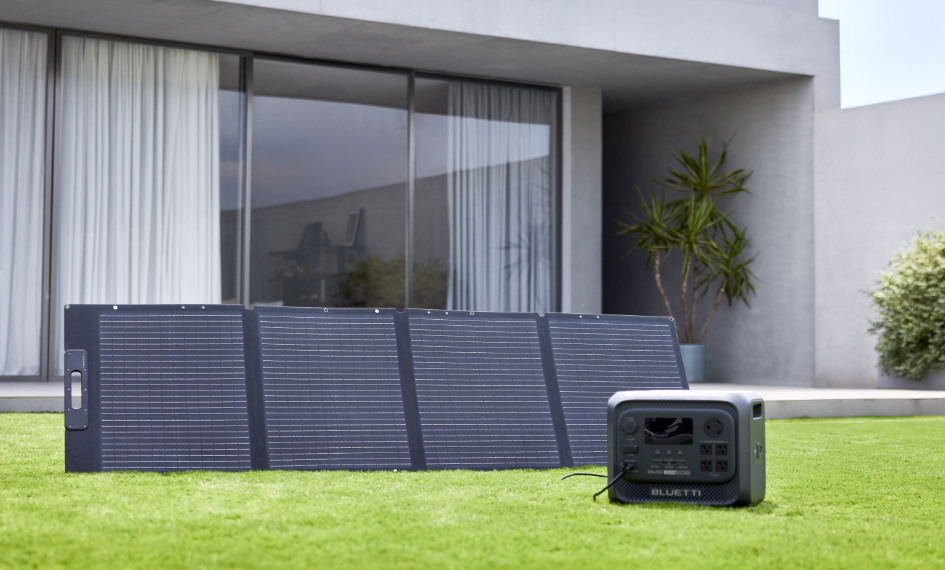
When electricity rates vary by location and time of use, having more control over where your power comes from can be useful. The BLUETTI Elite 100 V2 supports up to 1,000W solar input and features a 10ms UPS, allowing users to store solar energy when available while keeping essential devices protected from unexpected power interruptions.


BLUETTI Elite 100 V2 Portable Power Station | 1,800W 1,024Wh
- Easy-to-Carry: Only 25lbs with a 17L design and hidden handle
- 10ms UPS Response Time
- 4,000+ Life Cycles to 80% Capacity
- Lightweight and Portable (Only 25 lbs)
- Ideal for Camping and Home Backup
10 States With the Highest Electricity Rates
Residential electricity costs vary significantly across the United States. According to the U.S. Energy Information Administration (EIA), the following states had some of the highest average residential electricity prices for January through May 2026.
1. Hawaii: Hawaii had the highest average residential electricity price at 44.61 cents/kWh.
2. California: California averaged 32.83 cents/kWh, making it one of the most expensive states for residential electricity.
3. Massachusetts: Massachusetts had an average residential electricity price of 30.15 cents/kWh.
4. Connecticut: Connecticut averaged 29.78 cents/kWh.
5. Maine: Maine had an average residential electricity price of 29.68 cents/kWh.
6. Rhode Island: Rhode Island averaged 29.48 cents/kWh.
7. New York: New York had an average residential electricity price of 29.22 cents/kWh.
8. Alaska: Alaska averaged 26.68 cents/kWh.
9. New Hampshire: New Hampshire had an average residential electricity price of 26.80 cents/kWh.
10. District of Columbia: The District of Columbia averaged 24.57 cents/kWh.
These figures are significantly higher than the U.S. average residential electricity price of 18.11 cents/kWh during the same period. Electricity prices can vary due to factors such as generation costs, fuel sources, transmission and distribution expenses, infrastructure, regulations, and regional market conditions.
Source: U.S. Energy Information Administration, Electric Power Monthly, Table 5.6.B. Data are year-to-date through May 2026 and are preliminary estimates.

10 States With the Lowest Electricity Rates
Residential electricity prices vary considerably across the U.S., and some states remain well below the national average. According to the U.S. Energy Information Administration (EIA), the following states had some of the lowest average residential electricity prices for January through May 2026.
1. North Dakota: North Dakota had the lowest average residential electricity price at 11.92 cents/kWh.
2. Idaho: Idaho averaged 12.52 cents/kWh, well below the national average.
3. Nebraska: Nebraska had an average residential electricity price of 12.59 cents/kWh.
4. Missouri: Missouri averaged 12.83 cents/kWh.
5. Oklahoma: Oklahoma had an average residential electricity price of 13.10 cents/kWh.
6. Utah: Utah averaged 13.12 cents/kWh.
7. Arkansas: Arkansas had an average residential electricity price of 13.28 cents/kWh.
8. Iowa: Iowa averaged 13.31 cents/kWh.
9. Louisiana: Louisiana had an average residential electricity price of 13.52 cents/kWh.
10. Montana: Montana averaged 13.56 cents/kWh.
All of these states had average residential electricity prices below the U.S. average of 18.11 cents/kWh during the same period. Electricity prices can vary due to differences in generation sources, fuel costs, transmission and distribution expenses, infrastructure, regulations, and regional energy markets. Actual household electricity bills will also depend on how much electricity is consumed and the rates offered by local utilities or electricity providers.
Source: U.S. Energy Information Administration, Electric Power Monthly, Table 5.6.B. Data are year-to-date through May 2026 and are preliminary estimates.
Cheapest Energy Supplier in US
There is no single cheapest energy supplier across the United States. Electricity providers, plan availability, and rates vary by state, ZIP code, contract length, energy usage, and local market rules. In states with competitive retail electricity markets, customers may be able to choose among multiple suppliers and compare plans to find a lower rate.
Some established residential electricity suppliers operating in competitive U.S. markets include:
1. Constellation
Constellation offers residential electricity plans in several deregulated markets, including Connecticut, Delaware, Illinois, Massachusetts, New Jersey, Ohio, Pennsylvania, Texas, and Washington, D.C. Depending on location, customers may find fixed-rate, renewable energy, EV, or time-of-use plans.
2. Direct Energy
Direct Energy serves customers in competitive energy markets and offers electricity plans that vary by location. Available rates, contract terms, and plan features should be compared using your ZIP code before enrolling.
3. Green Mountain Energy
Green Mountain Energy specializes in renewable electricity plans and serves residential customers in several competitive electricity markets. Depending on location, customers may find wind, solar, EV charging, and solar buyback options.
4. Reliant Energy
Reliant offers residential electricity plans primarily in the competitive Texas electricity market. Plan structures and prices vary based on location, electricity usage, and contract terms.
5. Amigo Energy
Amigo Energy is another residential electricity provider serving the Texas market. Customers should compare its current electricity rate, contract length, fees, and other plan conditions with competing offers before signing up.
The cheapest option ultimately depends on where you live and how you use electricity. When comparing electricity suppliers, look beyond the advertised cents-per-kWh rate and consider contract length, fixed versus variable pricing, early termination fees, renewable energy content, time-of-use pricing, and other charges.
Keep in mind that retail electricity choice is not available everywhere in the United States. In many areas, customers receive electricity through their local utility and cannot choose a competing retail electricity supplier. Where retail choice is available, check current plans using your ZIP code and compare offers before selecting a provider.

1. What are the current energy rates in my state?
Current Energy Rates in Your State
The current energy rates in your state will depend on the type of energy you are looking for and your location in the state. For example, electricity rates in some states can vary greatly depending on the city or county that you reside in. However, there are some general trends in energy prices across the U.S.On average, electricity rates in the U.S. are around 13.18 cents per kWh. Natural gas rates vary by state, but in the U.S. they average about $1.16 per therm. Some states have higher average rates than others, such as California at 18.17 cents per kWh or Rhode Island at 17.44 cents per kWh.
Other sources of energy such as propane, kerosene, and heating oil can also vary by state. Propane prices typically range from around $2.00 up to $3.00 per gallon. Kerosene prices usually range from about $3.00 to $4.00 per gallon. Heating oil prices typically range from around $2.50 to $4.00 per gallon.
To find out the current energy rates for your specific state, you will need to contact your local energy providers or look them up online. You can also contact your state's public utility commission and ask about the current energy rates in your area.
2. Are there any energy providers offering special deals or discounts?
Yes, many energy providers offer special deals or discounts for their customers. Depending on the specific provider, they may offer discounts for customers who pay their bills on time, discounts for customers who sign up for an auto-pay option, or even additional discounts for those who use a certain type of energy efficient appliance or equipment. Additionally, some providers offer promotional discounts for signing up or using their services for the first time.
Some providers may offer additional discounts for customers who bundle multiple services with them, such as gas, electric, and internet services. They may also offer discounts for customers who pay for their bills upfront or in advance. Some providers may offer discounts or specials during certain times of the year, such as the holiday season or peak summer months.
It is also important to shop around and compare prices from different providers when selecting an energy provider. Most energy providers have websites or online tools that make it easier for customers to compare rates and services. Additionally, many energy providers also have customer service representatives available to help customers decide which services and discounts are best for them.
3. Are there any renewable energy options available?
Yes, there are several renewable energy options available.
Solar Energy - Solar energy is energy generated from the sun in the form of heat and light. Solar energy can be converted into electricity, and used to power homes, businesses, and other facilities. Solar energy is a renewable resource, meaning it can be harvested over and over again.Wind Energy - Wind energy is energy generated from the movement of wind. Wind turbines, which convert the kinetic energy of the wind into electrical energy, can be used to power homes and businesses. Wind energy is renewable and abundant, making it an attractive option for renewable energy.
Geothermal Energy - Geothermal energy is energy generated from the heat of the Earth’s core. This energy can be harnessed and used to power homes and other buildings. Geothermal energy is renewable and can provide a steady and reliable source of energy.
Hydroelectric Energy - Hydroelectric energy is energy generated from the movement of water. Hydroelectric power plants capture the kinetic energy of the water and convert it into electrical energy. Hydroelectric energy is renewable and is used in many parts of the world to power homes and businesses.
4. What is the customer service rating for each energy provider?
The customer service rating for each energy provider will depend on who you ask and the experiences they have had with the provider. However, some general ratings can be found by looking at customer reviews on third-party sites such as Trustpilot, Consumer Affairs, and the Better Business Bureau. These sites will typically give an overall rating based on customer reviews, as well as star ratings for specific criteria such as customer service, reliability, and value for money. Some providers may also have their own customer service ratings which are usually higher than those from third-party sites due to the fact that they are self-reported. It is important to consider all of these sources when evaluating a provider's customer service rating.
5. Are there any local or state incentives available to help reduce energy costs?
Yes, there are a variety of local and state incentives available to help reduce energy costs. These incentives vary depending on the state, but can include tax credits, rebates, and other incentives that can help to offset some of the expenses associated with energy efficiency upgrades.
For example, some states offer tax credits and other incentives for the installation of solar panels and other renewable energy equipment. These incentives can reduce the upfront cost of purchasing and installing solar panels, making them more affordable. Other states may offer rebates and other incentives for the installation of energy efficient appliances and building materials, helping to offset the cost of installing them.
In addition to local and state incentives, the federal government offers tax credits and other incentives for energy efficiency projects. These can help to reduce the cost of energy efficiency upgrades, making them more affordable for homeowners. The U.S. Department of Energy's Energy Star program also provides incentives for the installation of Energy Star-rated products, which are designed to be more energy efficient than standard models.
there are a number of incentives available to help reduce energy costs, both on a local and federal level. By taking advantage of these incentives, homeowners can save money on energy efficiency upgrades and reduce their carbon footprint.
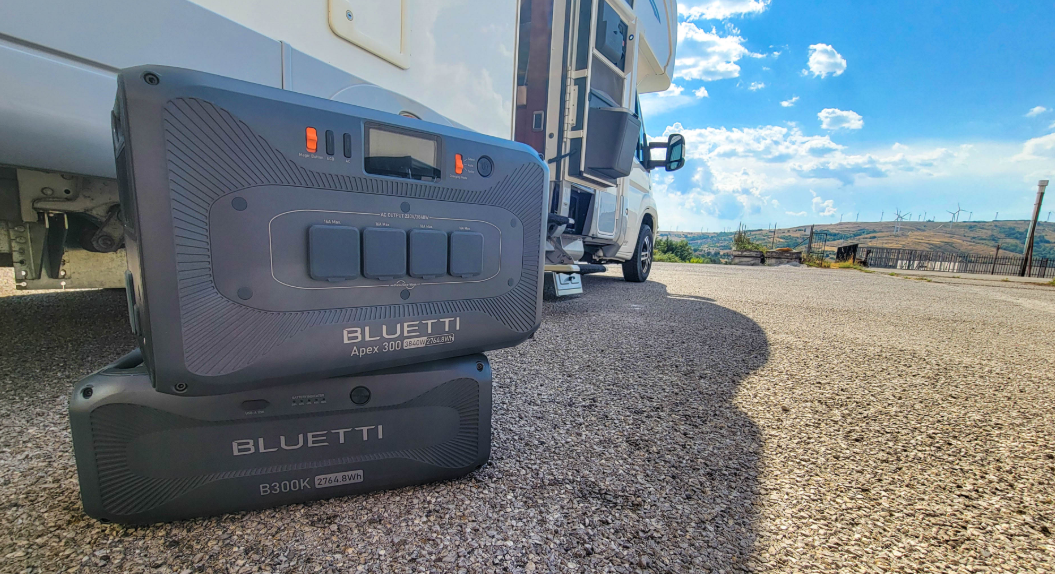
Beyond improving home efficiency, homeowners looking to make better use of solar energy can also consider adding battery storage to their energy setup. The BLUETTI Apex 300 Home Battery Backup combines 2,764.8Wh of capacity with 3,840W AC output and supports solar charging, providing stored energy for home backup and greater flexibility in how household energy is used.


Apex 300 Versatile Power Station | 3,840W, 2,764.8Wh
- Smartest 120V/240V Portable Power
- 3,840W | 2,764.8Wh | LiFePO₄
- 0ms UPS Response Time
- 6,000+ Life Cycles to 80% Capacity
- Dual Voltage Output & Expandable Storage
- Ideal for Smart Home Energy Management
The cheapest energy supplier in the US will depend on the state that you’re in. Fortunately, most states have comparison websites that allow you to easily compare prices between different energy suppliers. In addition, many states offer incentives and discounts to encourage customers to switch to more affordable providers. By taking advantage of these resources, customers can often find the lowest energy rates in their state. Ultimately, it is important to shop around and compare the available options in order to find the energy supplier that best fits your needs.

Shop Products for This Article


You May Also Like