
How to Prepare for Long Term Power Outage?


This article provides a comprehensive guide to preparing for long-term power outages in American households, covering emergency planning, essential supplies, backup power system selection, medical needs, food and water safety, generator safety, temperature control, power conservation, and post-outage recovery. It compares portable power stations, fuel-powered generators, whole-home standby generators, and hybrid systems, helping readers understand their respective benefits and limitations. The article also incorporates links to related BLUETTI guides on extended outages, tornado shelters, and winter preparedness, positioning backup power and solar recharging as practical solutions for maintaining essential household functions during prolonged outages.
A long-term power outage can affect much more than your lights. If electricity stays off for several days, your refrigerator may stop keeping food cold, heating and cooling systems may fail, and access to clean water, communication, and essential medical equipment may become limited.
Knowing how to prepare for a long-term power outage helps your household stay safe, maintain essential services, and avoid unnecessary expenses during an extended disruption. While a short outage may require little more than a flashlight and a charged phone, long-term power outage preparation calls for a more comprehensive plan covering food, water, backup electricity, temperature control, and emergency supplies.
This guide explains how to prepare for long-term power outages, what to do while the electricity is off, and how to restore your home safely when power returns.
Before a Long-Term Power Outage: Prepare Your Home
The best time to prepare for a long-term power outage is before severe weather or an emergency threatens your area. Start by identifying your household's essential needs, gathering supplies, and choosing a backup power system that can support critical devices for as long as necessary.
Create a Long-Term Power Outage Emergency Plan
A long-term power outage emergency plan should help everyone in your household understand what to do if electricity remains unavailable for several days or longer.
Start by identifying the risks most relevant to your location. Hurricanes, winter storms, wildfires, tornadoes, and extreme heat can all cause extended outages, but each presents different challenges. Check local emergency alerts and your utility company's outage information to understand which situations are most likely to affect your area.
Your household plan should include:
- Emergency contacts: Keep a written list of family members, neighbors, utility providers, local emergency services, and out-of-area contacts.
- Communication arrangements: Choose a meeting place and establish how family members will check in if cellular networks become unreliable.
- Evacuation routes: Identify primary and alternative routes, nearby shelters, and places where you can stay if your home becomes unsafe.
- Utility shutoffs: Learn how to shut off water, gas, and electricity when necessary. Only operate equipment you understand and can access safely.
- Local emergency resources: Know where to find public cooling centers, warming centers, emergency shelters, and community assistance.
Consider how your plan would change if an outage lasted three days, one week, or even several weeks. The longer electricity remains unavailable, the more important it becomes to plan for replenishing supplies, obtaining fuel or charging access, and maintaining essential services.
For a more extensive disaster-preparation framework, read BLUETTI's guide to preparing for a 90-day power outage. Although most households will not need to sustain themselves independently for that long, thinking through a longer disruption can reveal gaps in your emergency plan.
Essential Supplies for a Long-Term Power Outage
The supplies for a long-term power outage should cover basic needs first: drinking water, shelf-stable food, medication, sanitation, lighting, communication, and temperature control.
The Federal Emergency Management Agency (FEMA) recommends keeping several days of emergency supplies available. A practical starting point is to prepare for at least three days and expand your stockpile according to your household's needs, local risks, and ability to access outside assistance.
Use the following checklist to organize your supplies.
- Water: Store at least one gallon of water per person per day for drinking and basic sanitation, with additional water for pets, hot weather, and medical needs. A three-day supply is a starting point, not a guarantee that you will have enough for a prolonged emergency.
- Food: Keep canned goods, nut butter, crackers, dried fruit, energy bars, and other shelf-stable foods that require little or no cooking. Include a manual can opener.
- Lighting: Store flashlights, headlamps, spare batteries, and rechargeable lanterns.
- First aid and medication: Keep a first-aid kit, prescription medication, basic hygiene products, and copies of important medical information.
- Communication: Maintain a battery-powered or hand-crank radio, charged power banks, charging cables, and written emergency contacts.
- Sanitation: Stock toilet paper, wet wipes, hand sanitizer, garbage bags, and other essential hygiene products.
- Clothing and shelter: Prepare blankets, weather-appropriate clothing, sturdy shoes, and protective gear.
- Important documents and cash: Keep identification, insurance information, emergency contacts, and some cash in a waterproof container.
Check expiration dates regularly and rotate food, water, batteries, and medication according to their storage instructions. Keep supplies somewhere accessible, even if the outage happens at night or during severe weather.
For households in tornado-prone areas, emergency preparation should also include identifying a safe shelter. BLUETTI's guide to building a DIY tornado shelter provides additional context for thinking about severe-weather protection. Follow local building codes and FEMA guidance when planning any permanent or temporary storm shelter.
Choose the Best Backup Power System for Long-Term Outages
Choosing the best backup power system for long-term outages starts with understanding what you need to keep running. A refrigerator, medical device, and communication equipment have different power requirements from an entire central air-conditioning system or an electric water heater.
Begin by listing your essential appliances and their wattage. Check product labels or manuals for both running watts and starting watts, since motors in refrigerators, pumps, and other appliances may briefly require substantially more power when they start.
Estimate how much electricity your household needs each day:
Daily energy consumption (Wh) = Appliance power (W) × Operating hours
For example, a 100-watt device running for eight hours consumes 800 watt-hours (Wh). Add the energy requirements of your other essential devices to estimate your daily demand. For battery-powered systems, account for conversion losses and reserve capacity rather than assuming every rated watt-hour will be available to your appliances.
The main backup power options have different strengths.
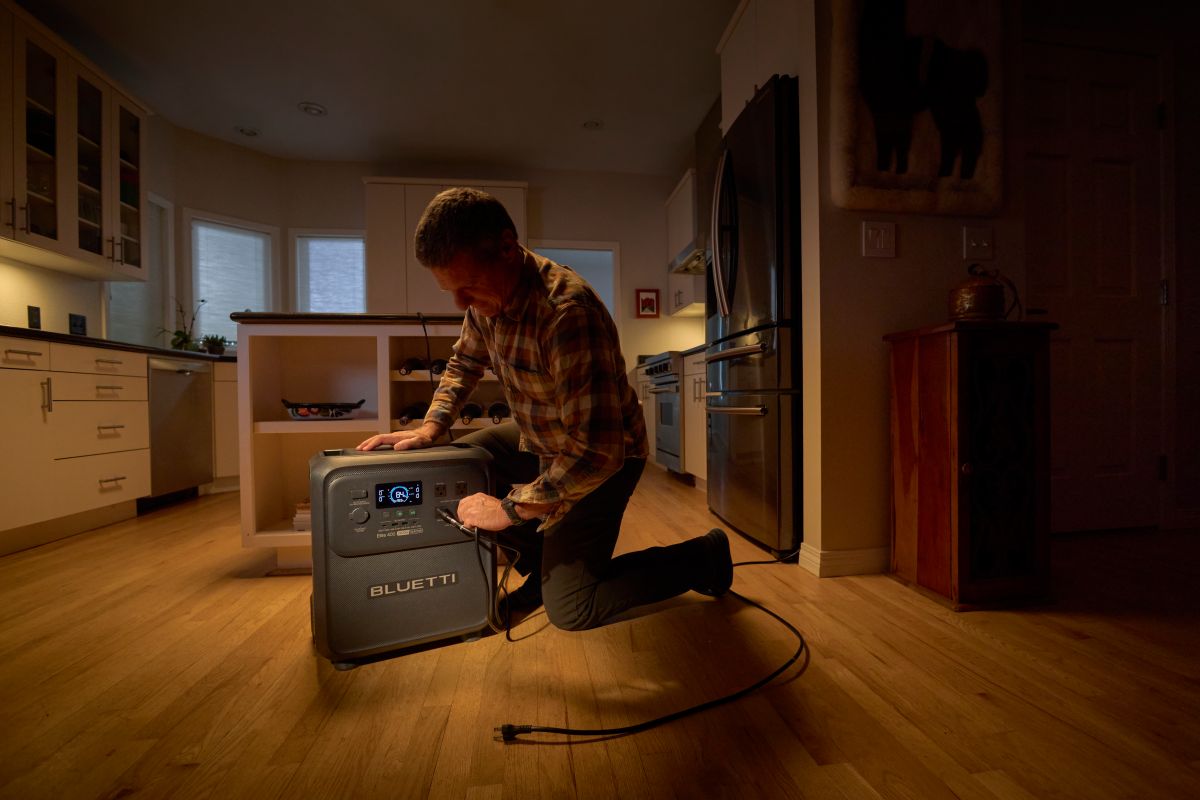
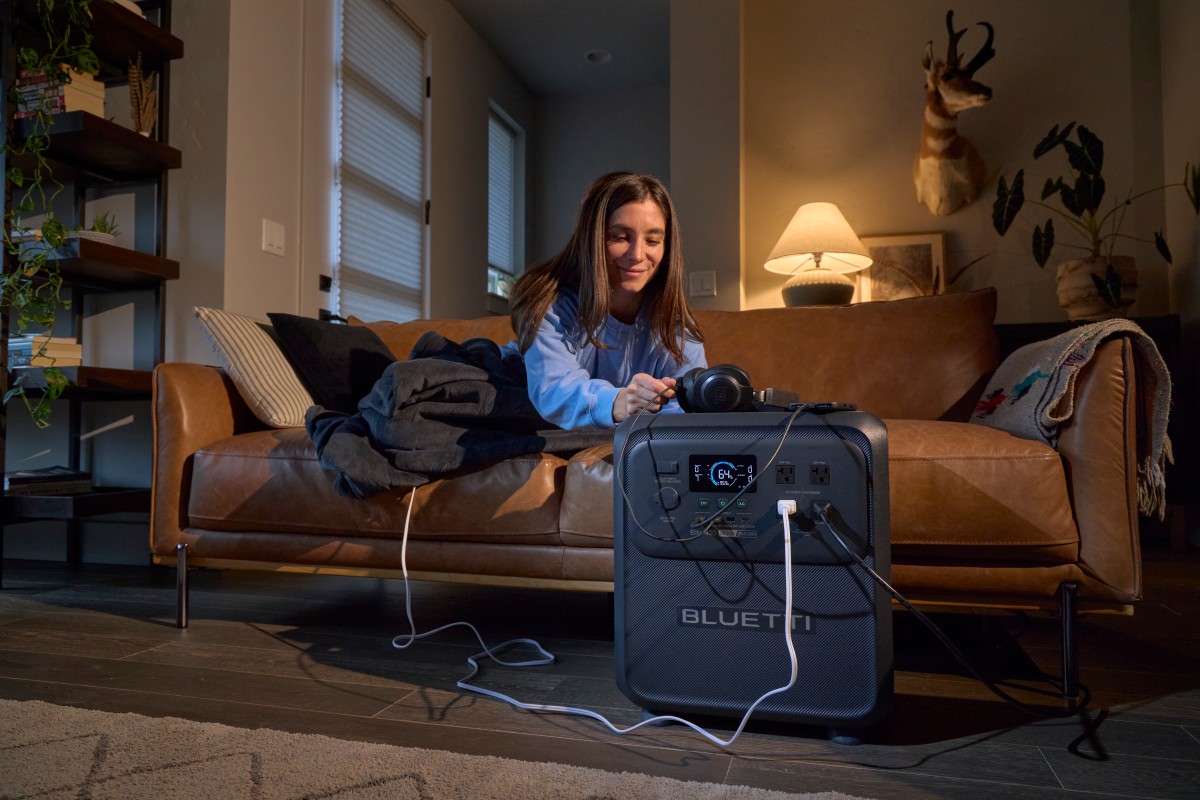
Portable power stations: Battery-based systems can run compatible electronics, lighting, communication equipment, and selected household appliances. They operate without producing exhaust at the point of use, making them suitable for indoor use when the specific model and its instructions permit it. Solar panels can replenish compatible power stations during daylight, reducing dependence on fuel deliveries.
Gasoline or propane generators: Fuel-powered generators can supply electricity for extended periods when sufficient fuel is available. However, they require outdoor operation, careful carbon monoxide precautions, maintenance, and safe fuel storage. Fuel availability can become a challenge during widespread emergencies.
Whole-home standby generators: These permanently installed systems can power selected circuits or much of a home, depending on their capacity and configuration. They typically require professional installation, an appropriate fuel supply, and a correctly designed transfer switch.
Hybrid backup systems: Combining battery storage, solar panels, and a fuel-powered generator can provide more flexibility. A generator can supplement the battery when solar production is insufficient or demand increases.
| Factor | Portable power station | Fuel-powered generator | Whole-home standby generator |
|---|---|---|---|
| Typical use | Essential devices and selected appliances | Larger loads and extended backup | Selected circuits or whole-home backup |
| Indoor operation | Only when the model permits it | Never | Engine must be installed outdoors as specified |
| Energy supply | Stored battery energy; solar or other compatible charging | Gasoline, propane, or another approved fuel | Installed fuel supply |
| Main limitation | Battery capacity and recharging availability | Exhaust, noise, fuel, and maintenance | Installation cost, fuel dependence, and maintenance |
Prepare for Medical and Special Needs
Medical and accessibility needs should be addressed before an outage occurs. A disruption lasting several days can affect refrigerated medications, powered medical equipment, mobility devices, and access to healthcare services.
If anyone in your household depends on electrically powered medical equipment, contact their healthcare provider or equipment supplier to determine the required backup capacity and safe operating arrangements. Ask how long the equipment can operate without utility power and whether an approved battery backup is available. Take these additional steps:
- Maintain a list of medications, dosages, allergies, and healthcare contacts.
- Ask a pharmacist how to store temperature-sensitive medications during an extended outage.
- Keep essential medical equipment charged and identify an alternative power source.
- Arrange backup transportation and accessible evacuation options if needed.
- Contact your utility company about medical equipment notification or assistance programs, where available.
Do not assume that a standard portable power station is compatible with every medical device. Confirm the equipment's electrical requirements and obtain guidance from the manufacturer or healthcare provider.
If your household cannot safely maintain essential medical equipment, indoor temperatures, or other critical needs during an extended outage, arrange to stay somewhere with reliable power or contact local emergency services for assistance.
During a Long-Term Power Outage: Survival and Safety Tips
Once the power goes out, focus on safety, food and water, communication, and the careful use of your remaining resources. The goal of long-term power outage survival is not simply to make electricity last longer, but to maintain essential services while avoiding preventable hazards.
Keep Food and Drinking Water Safe
Food safety becomes a concern within hours of losing refrigeration. Keep refrigerator and freezer doors closed as much as possible to preserve cold temperatures.
According to USDA food safety guidance, an unopened refrigerator generally keeps food safely cold for about four hours during a power outage. A full freezer can hold its temperature for approximately 48 hours, while a half-full freezer can generally do so for about 24 hours, provided the doors remain closed.
Use an appliance thermometer to check temperatures when possible. Refrigerated perishable foods that have been above 40°F (4°C) for more than two hours should generally be discarded. Do not rely on smell, appearance, or taste to determine whether food is safe.
To manage food during an extended outage:
- Eat refrigerated foods that are still safe before moving to shelf-stable meals.
- Keep canned food, dry goods, and ready-to-eat meals available.
- Use a cooler with ice or frozen gel packs if you can maintain safe temperatures.
- Avoid repeatedly opening refrigerators and freezers to check their contents.
- Discard food that may have been contaminated by floodwater or unsafe handling.
Water requires equal attention. Follow local instructions if authorities issue a boil-water notice or warn that the water supply is contaminated. Use commercially bottled water or another approved source when tap water is unsafe.
If an emergency disrupts your normal water supply, do not assume that clear water is safe to drink. Use official guidance for water treatment, and remember that boiling does not remove chemical contamination.
Use Generators and Backup Power Safely
Backup electricity can make an extended outage more manageable, but improper generator use can cause carbon monoxide poisoning, fires, and electrical injuries.
Never operate a gasoline, propane, or other fuel-burning portable generator inside your home, garage, basement, or other enclosed or partially enclosed space. Place it outdoors at least 20 feet from the house and away from doors, windows, and vents, following the manufacturer's instructions. Direct exhaust away from occupied buildings.
Install battery-powered or battery-backed carbon monoxide alarms near sleeping areas and on every level of your home. Test them regularly.
When using a generator:
- Keep the generator dry and operate it according to the manufacturer's instructions.
- Allow the generator to cool before refueling.
- Store fuel in approved containers away from living spaces and ignition sources.
- Connect appliances using appropriately rated cords and follow the manufacturer's electrical guidance.
- Never connect a generator directly to a household outlet or electrical panel without a properly installed transfer switch.
- Keep children and pets away from operating equipment.
Never connect a generator directly to a household outlet or electrical panel without approved transfer equipment. Turning off the main breaker alone does not make backfeeding safe. A qualified electrician should install and verify any connection to household wiring. Battery-based portable power stations can power compatible devices indoors when permitted by the manufacturer, but they still require proper ventilation, safe connections, and protection from moisture.

Stay Warm During Winter Power Outages
Winter outages can become dangerous when heating systems stop working. If your home loses heat for an extended period, focus on retaining warmth, reducing unnecessary heat loss, and identifying a safe alternative location before indoor temperatures become hazardous.
Close doors to unused rooms, cover drafty windows where practical, and wear multiple layers of clothing. Use blankets and sleeping bags appropriate for the conditions. Keep an eye on indoor temperatures, especially when older adults, young children, or people with health conditions are present. Never use an oven, charcoal grill, camping stove, or outdoor propane heater to heat an indoor living space. These devices can produce dangerous carbon monoxide or create fire hazards.
If your heating system requires electricity, check whether your backup power system can support its electrical demand. Many central heating systems and heat pumps require more power than a small portable power station can supply. Verify starting and running wattage before relying on a backup system.
For more detailed cold-weather preparation advice, see BLUETTI's guide on how to prepare for a power outage in winter. If indoor temperatures become unsafe, seek a designated warming center, emergency shelter, or another location with reliable heat. Do not wait until the situation becomes an emergency to arrange alternative accommodation.
Conserve Power and Manage Essential Supplies
During a long-term power outage, managing limited electricity and emergency supplies is essential. Prioritize critical devices and avoid using backup power for appliances that can remain switched off.
Start by dividing electrical devices into three categories:
- Critical: Medical equipment, emergency communication devices, and essential safety equipment.
- Important: Refrigeration, basic lighting, phones, and necessary internet or work equipment.
- Optional: Entertainment systems, nonessential appliances, and other devices that can remain switched off.
Monitor your backup power system's remaining capacity and adjust electricity use accordingly. Use energy-efficient LED lighting, turn off unnecessary devices, and limit high-wattage appliances to preserve battery life. If you have compatible solar panels, recharge your power station during daylight hours, keeping in mind that cloudy weather may reduce charging efficiency.
To reduce the risk of damage when electricity returns, unplug nonessential appliances and sensitive electronics if it is safe to do so. Leave one light switched on to indicate when utility power has been restored. Avoid handling electrical equipment exposed to water or showing signs of damage.
Beyond electricity, monitor your remaining food, drinking water, medication, batteries, and fuel. Keep track of daily consumption and identify reliable ways to replenish supplies if the outage continues. Review your household's needs regularly, follow local emergency updates, and consider relocating if essential resources or safe living conditions cannot be maintained.
After a Long-Term Power Outage: Restore Power Safely
When utility power returns, do not immediately switch every appliance back on. Inspect your home, check for electrical hazards, and restore equipment in a controlled manner.
Check Your Home and Electrical Appliances
Before using electrical equipment again, check for damage caused by flooding, fallen trees, severe weather, or power surges.
If you notice downed power lines, exposed wiring, a burning smell, sparks, or water around electrical equipment, stay away and contact the appropriate utility provider or emergency service. Never enter a flooded area if electrical hazards may be present.
Once it is safe to do so:


BLUETTI Elite 400 Portable Power Station | 3,840Wh, 2,600W
- Perfectly Sized Solar Generator: 3,840 Wh capacity, just right for home backup and outdoor adventures.
- Wheels and handles for easy transport
- High Output: 2,600 W rated, 3,900 W lifting power
- Ultra-low 3 W standby draw extends runtime
- 15 ms UPS switchover during outages
- Inspect visible cords, outlets, and appliances for damage.
- Unplug sensitive electronics if you suspect a surge or electrical fault.
- Check heating, cooling, and refrigeration equipment before returning them to normal use.
- Follow manufacturer instructions when restarting appliances and backup power systems.
- Contact a qualified electrician if breakers repeatedly trip or equipment behaves unusually.
If you used a portable power station or generator, follow the manufacturer's shutdown, disconnection, inspection, and storage instructions. Do not leave fuel-powered equipment running unnecessarily after utility power returns.
For homes affected by flooding, have electrical systems inspected by a qualified professional before restoring power. Water-damaged wiring, outlets, and appliances can remain hazardous even after surfaces appear dry.
Inspect Food and Replenish Emergency Supplies
After a prolonged outage, review your refrigerator and freezer contents before returning to normal meal planning. Discard unsafe perishable food, food exposed to contaminated water, and any items whose safety cannot be established.
Restock the supplies you used during the outage, including drinking water, shelf-stable food, batteries, first-aid materials, and necessary personal items. Recharge power stations and power banks, inspect solar panels and charging cables, and replenish generator fuel only when it is safe and appropriate to do so.
Finally, review what worked and what did not. Did your backup power system run out sooner than expected? Were you short on water or medication? Did you have trouble receiving emergency alerts?
Use these observations to improve your long-term power outage preparation plan before the next emergency.
Conclusion
Preparing for a long-term power outage starts with understanding your household’s essential needs and having a plan to keep them covered when the grid goes down. By stocking emergency supplies, protecting food and water, planning for medical needs, and choosing the right backup power system, you can reduce disruption and keep your family safer during an extended outage. No single solution fits every household, so consider your typical energy use, local weather risks, and how long you may need backup power. With a well-prepared plan and regular checks of your supplies and equipment, you’ll be better equipped to handle prolonged outages with greater confidence and peace of mind.
Frequently Asked Questions
An unopened refrigerator can generally keep eggs and other perishable foods cold for up to four hours during a power outage. According to USDA food safety guidance, discard refrigerated eggs after four hours without power if no alternative cooling source has kept them at a safe temperature. Eggs should also be discarded if they have been above 40°F (4°C) for two hours or longer. Do not rely on smell, appearance, or taste to determine whether eggs are safe to eat.

Shop Products for This Article

You May Also Like