
What Is Energy Independence in the U.S.?


Energy independence means reducing reliance on external energy supplies while improving energy security and resilience. Although the United States produces more energy than it consumes, it remains connected to global energy markets. For homeowners, solar panels, battery storage, and energy-efficient appliances offer practical ways to gain greater control over electricity costs and maintain backup power during outages.
What Is Energy Independence?
Energy independence refers to a country's ability to produce enough energy to meet its own consumption needs without relying heavily on imports. It can involve domestic oil and natural gas production, nuclear power, renewable energy, and electricity generation.
The concept of energy independence does not necessarily mean eliminating all energy imports. Instead, it focuses on strengthening domestic energy security, diversifying energy sources, and reducing exposure to international supply disruptions and price volatility.
There is no single measure of energy independence. A country can produce more energy than it consumes overall while still importing certain energy products. The United States is a good example: according to the U.S. Energy Information Administration (EIA), U.S. energy production has exceeded consumption since 2019, while the country continues to participate in international energy trade. This is why energy independence is better understood by considering domestic production, consumption, imports, and exports together.
Is the United States Energy Independent?
The answer depends on how energy independence is measured. The U.S. produces substantial amounts of oil, natural gas, and electricity from domestic sources, making it one of the world's leading energy producers. Since 2019, total energy production has been greater than consumption in the United States.

The United States has been a net total energy exporter since 2019, meaning it exports more energy than it imports overall. However, U.S. energy independence does not mean the country is completely isolated from global energy markets. Oil imports, international prices, and energy supply chains still influence the domestic economy.

Is America Self-Sufficient in Oil?
Not completely. The United States produces large quantities of crude oil, yet it continues to import crude oil from other countries. According to the U.S. Energy Information Administration (EIA), the United States remained a net crude oil importer in 2025, even though it was a net exporter of petroleum overall.
This does not mean the United States lacks domestic oil resources. Imports help U.S. refineries obtain the types of crude oil best suited to their operations, while domestically produced and imported crude can be refined into petroleum products for domestic use or export. Therefore, oil self-sufficiency is more complicated than simply measuring domestic production: international trade remains an important part of the U.S. oil market.
Why Is Energy Independence Important?
Energy independence can improve national energy security, reduce vulnerability to supply disruptions, and support a more resilient economy. When a country has diverse domestic energy sources, it may be better positioned to respond to geopolitical conflicts, natural disasters, and changes in global energy markets.
New technologies could also strengthen energy resilience by reducing reliance on conventional fuels for critical infrastructure. For example, California-based Radiant is developing Kaleidos, a portable 1.2 MW high-temperature gas-cooled microreactor designed as a potential alternative to diesel generators. According to the U.S. Department of Energy, the technology could support facilities such as military installations, data centers, hospitals, and remote sites.
Renewable energy is also playing a growing role in the U.S. electricity system. According to Ember, U.S. solar generation increased by 27% in 2025 and met 61% of the country's growth in electricity demand. This growth shows how domestic renewable generation can diversify the electricity supply and contribute to a more resilient energy system.

The benefits of energy independence also extend to households and businesses. Investments in renewable energy, energy efficiency, and electricity storage can help consumers manage energy costs and reduce dependence on conventional energy supplies.
What Is Personal Energy Independence?
Personal energy independence means having greater control over how your home or property produces, stores, and consumes energy. Instead of relying entirely on electricity from the utility grid, homeowners can use solar panels, battery storage, and energy-efficient appliances to meet some of their energy needs.
For example, a home solar system paired with home battery backup can store excess electricity generated during the day for use at night or during a power outage. Although complete independence from the grid can be expensive or impractical for many households, these technologies can help increase personal energy independence.

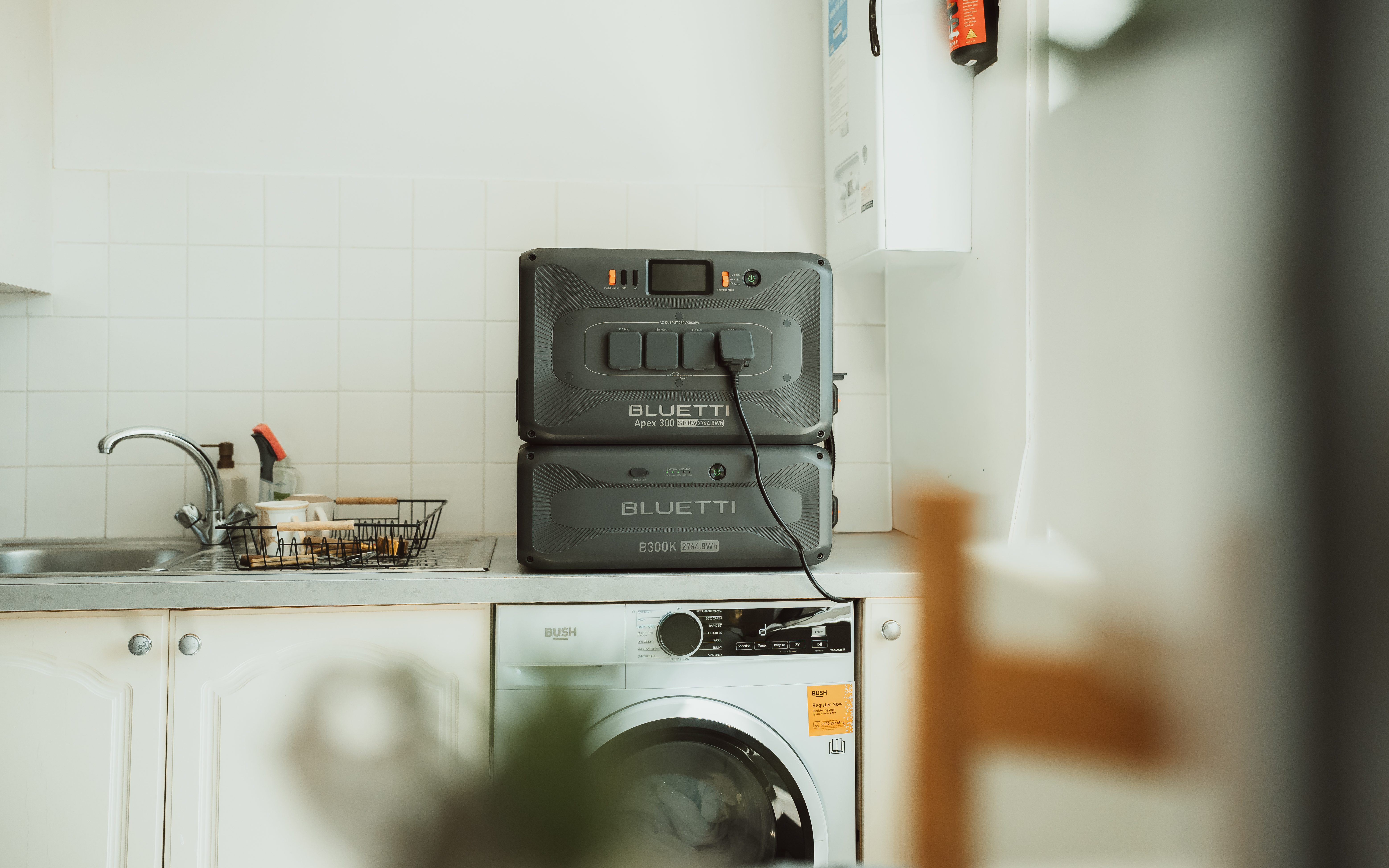
Home energy storage can provide even more flexibility by giving households greater control over when and how stored electricity is used. For example, the BLUETTI Apex 300 home battery backup can be paired with solar panels to store solar energy for later use. It can also support peak-load shifting, allowing users to store lower-cost off-peak grid electricity and use it during higher-rate periods.


Apex 300 Versatile Power Station | 3,840W, 2,764.8Wh
- Smartest 120V/240V Portable Power
- 3,840W | 2,764.8Wh | LiFePO₄
- 0ms UPS Response Time
- 6,000+ Life Cycles to 80% Capacity
- Dual Voltage Output & Expandable Storage
- Ideal for Smart Home Energy Management
How to Achieve Energy Independence?
Achieving energy independence can happen at both the national and household levels. Governments can invest in domestic energy production, renewable power, modern electricity grids, and energy storage. Diversifying energy sources can also reduce reliance on a single fuel or supplier.
For homeowners, practical steps include installing solar panels, adding a home battery, improving insulation, and choosing energy-efficient appliances. Portable power stations can provide backup electricity for essential devices during outages, while larger home battery systems can support more substantial household loads. In remote areas, a reliable backup power system can be particularly valuable during an outage.
The best approach depends on electricity consumption, local climate, utility rates, and budget. Rather than aiming for complete independence immediately, households can start by reducing energy waste and building a more resilient power supply over time. Before adding battery storage, consider the pros and cons of home battery backup systems to determine whether one fits your household's energy needs.
Building a More Energy-Independent Future
Energy independence means more than producing energy within national borders. It also involves reliable infrastructure, diverse energy sources, and the ability to withstand disruptions in supply and price.
Although the United States has substantial domestic energy resources, it remains connected to international energy markets. At the household level, solar panels, battery storage, and energy efficiency offer practical ways to gain greater control over electricity use and improve energy resilience.
Frequently Asked Questions
There is no single definitive ranking of the most energy-independent country because different measures produce different results. Countries with abundant domestic energy resources, high renewable energy production, or substantial fossil fuel exports may perform well under particular definitions. Iceland, for example, generates nearly all its electricity from renewable sources, while other countries have extensive domestic oil and natural gas production.

Shop Products for This Article

You May Also Like